Sugaring vs Waxing: Which One Actually Hurts Less?
Sugaring is genuinely gentler than soft wax for most people — but hard wax closes the gap. Here's how the two methods differ mechanically, how pain varies by body area, and which one fits your skin, schedule, and tolerance.
The short answer
Sugaring hurts less than waxing for most people, and the gap is widest against soft strip wax. Sugar paste stays at body temperature, adheres mainly to hair and dead skin, and is removed in the direction of growth. If you have sensitive or reactive skin, choose sugaring. If you want speed on coarse, dense hair, hard wax wins.
Sugaring vs waxing at a glance
| Sugaring | Waxing | |
|---|---|---|
| Cost | Varies by provider and region; often priced at or slightly above waxing in the same area | Varies by provider and region; soft wax services are usually the lower-priced option |
| How long it lasts | Roughly 3–4 weeks between appointments, since hair is removed from the root | Roughly 3–4 weeks between appointments, also root removal |
| Pain / downtime | Lower reported pain; redness typically settles within a few hours. No heat, so no thermal burn risk | Moderate to high, especially soft wax. Redness, occasional lifted skin, and rare superficial burns from overheated wax |
| Best for | Sensitive, thin, or reactive skin; eczema-prone or rosacea-prone clients; anyone on the fence about pain | Coarse, dense hair; large areas like legs and backs; clients who want the fastest possible appointment |
| Main drawback | Slower on large surfaces; fewer trained practitioners; paste struggles in humid rooms or against heavy sweat | Higher pain ceiling, more skin lifting, and temperature-dependent results that vary with the technician's hand |
Both methods pull hair from the follicle, so regrowth timing, hair softening over time, and the minimum hair length required before an appointment (about a quarter inch, or two to three weeks of growth) are effectively the same. The differences that matter live in the material and the removal stroke, not the outcome.
How they actually differ
The pain difference comes down to three variables: temperature, adhesion, and direction of pull.
Temperature first. Sugar paste is a cooked mixture of sugar, lemon juice, and water, worked at roughly body temperature or slightly warm. It never scalds. Soft and hard waxes are resins that must be melted, and even a properly maintained pot sits well above skin temperature. Heat does two things: it makes the skin more vascular and reactive before the pull, and it introduces a real, if uncommon, burn risk on thin areas like the bikini line, underarms, and upper lip.
Adhesion second. Sugar paste is water-soluble and binds preferentially to hair and loose dead skin cells. It doesn't fuse to living epidermis the way soft wax does. Soft wax is the aggressive end of the spectrum — it grips the stratum corneum along with the hair, which is why it can lift skin, and why estheticians won't use it twice on the same patch in a single session. Hard wax splits the difference: it shrink-wraps around the hair shaft as it cools and releases from the skin surface, which is exactly why it has become the standard for Brazilians and underarms. In practice, hard wax versus soft wax is a bigger pain variable than sugar versus wax.
Direction third. Waxing removes hair against the direction of growth, which forces the follicle to bend backward and increases the chance of breaking the hair mid-shaft — the mechanism behind a lot of ingrowns. Sugaring is flicked off with the growth pattern, so the hair exits the follicle along the path it grew in. Clients often describe the sensation as a sting rather than a rip.
One honest caveat: technician skill outweighs method. A fast, confident waxer with clean sectioning and tight skin support will hurt less than a hesitant sugarist re-working the same strip four times.
What each one costs
Prices for both sugaring and waxing vary widely by provider and region, and there is no reliable national figure worth quoting here. What's more useful is understanding what drives the number on the menu.
Area size and hair density are the primary inputs. A lip or brow service is priced as a quick add-on; a full Brazilian, full legs, or a back-and-shoulders service commands the top of a studio's range because it consumes both product and chair time. Sugaring often carries a modest premium over waxing for the same body area, for two structural reasons: paste is applied and flicked in smaller working sections, so appointments run longer, and fewer practitioners are trained in the technique, which keeps supply tighter in most US markets. Dedicated sugaring studios in major metros tend to price above general-service day spas.
Several things move the price beyond the base service. Practitioner experience matters — a senior esthetician with a hard-wax Brazilian specialty typically bills above a junior technician. Studio format matters too: membership-based chains and franchise waxing brands discount heavily on first visits and bundle repeat appointments, while independent solo estheticians usually charge a flat per-service rate with no package pressure. Add-ons like post-service ingrown serums, exfoliating treatments, or numbing cream are often billed separately.
One cost factor people underestimate is frequency. Both methods require you to come back roughly every three to four weeks and to grow hair out in between — no shaving. Budget the annual total, not the single visit. And skipping appointments until hair is long again makes the next session hurt more, which erodes the pain advantage of whichever method you picked. Always confirm current pricing directly with the studio before booking, since menus change and regional variation is substantial.
Who should choose which
Choose sugaring if your skin is the limiting factor. If you flush easily, have rosacea, keratosis pilaris, eczema-prone skin, or you've had wax lift a patch of skin off your bikini line before, sugar paste is the safer bet. It's also the better first-timer choice for anyone anxious about pain — the lower ceiling makes the experience less likely to scare you off before your hair grows into a finer, easier cycle. Sugaring suits people using retinoids intermittently (with a proper washout period and your provider's approval), those in hot climates who react to heat, and anyone who has struggled with post-wax ingrown hairs on the bikini line. Accept the trade: fewer trained practitioners, longer appointments, and a slower session on large areas like full legs.
Choose waxing — specifically hard wax — if hair is coarse and dense, if you're covering a lot of surface area, or if you're on a tight schedule. Hard wax on a Brazilian is fast, clean, and widely available; nearly every waxing studio in the country can do it well. Soft wax makes sense on large, flatter, less sensitive areas like lower legs, forearms, and backs, where speed matters more than sensitivity. If you're prepping for an event, book either method a minimum of two to three days out, not the morning of, so redness and follicle swelling resolve. And if a bad experience soured you on waxing, ask specifically whether the studio uses hard wax on sensitive areas before writing the method off entirely — plenty of "waxing is unbearable" stories are really soft-wax stories.
Frequently asked questions
Does sugaring hurt less than waxing?
Which is more painful, a sugaring Brazilian or a wax Brazilian?
Does sugaring or waxing cause fewer ingrown hairs?
How can I reduce the pain before an appointment?
Does hair removal get less painful over time?
Need a provider in your area?
Browse our directory and book directly with local businesses.
Browse the directoryRelated articles
Hard Wax vs Soft Wax: Which One Actually Hurts Less?
Hard wax grips the hair; soft wax grips the skin. That single mechanical difference explains the pain gap, the lifting risk, and why studios use both in one appointment.
Sugaring vs Waxing for Sensitive Skin: What Wins in NYC
Both pull hair from the root, but they use different mediums, different temperatures and different removal directions — and that matters a lot if your skin reacts to everything. Here's the honest head-to-head for sensitive skin, including where waxing still beats sugaring.
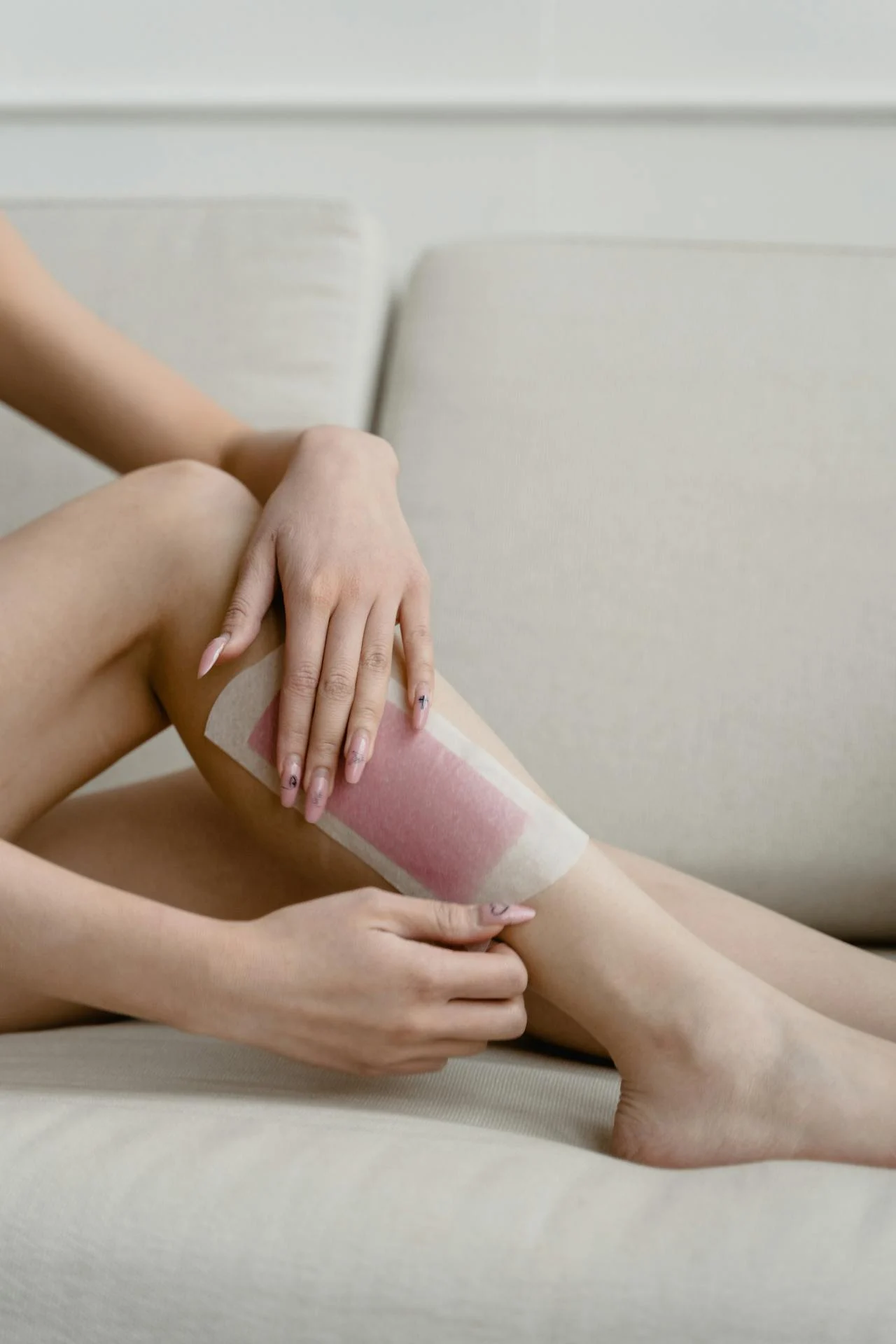
Sugaring vs Waxing: Pain, Cost & Results
Sugaring runs $25-$95 per service and pulls in the hair growth direction; waxing costs $20-$110 and pulls against. See pain, regrowth, and skin-type fit.