Effective Solutions for Razor Burn - Bikini Area 2026
Razor burn in the bikini area can be uncomfortable and unsightly. Learn effective treatments and preventative measures to soothe your skin.
Razor burn on the bikini area is the irritation of the skin following shaving, often characterized by redness, itchiness, and inflammation. This is important to many due to the sensitivity and visibility of the area. Up to 60% of women experience this [American Academy of Dermatology]. Surprisingly, colder climates seem to exacerbate the issue due to tighter clothing. Our full guide explores remedies and prevention methods see below.
Fast facts: Razor Burn Solutions at a glance (2026)
What razor burn in the bikini area actually is
Razor burn occurs as a skin irritation after shaving sensitive areas. This irritation causes red bumps, itchy patches, and sometimes a burning sensation. Addressing bikini area shaving issues is crucial, as 55% of users report skin discomfort post-shave [Dermatology Institute]. While shaving is quick, it lacks longevity compared to other hair removal methods. Explore advanced solutions using our network providers.
How the process works
Razor burn begins immediately after shaving when a dull or unclean blade irritates the skin's surface. It typically occurs because of incorrect shaving techniques, such as dry shaving or going against hair growth. Razor burn can last from a few hours up to several days. Immediate treatment can minimize symptoms, making it crucial to address quickly.
A comprehensive regimen starts with a clean razor and the use of shaving creams or gels that include emollients such as shea butter or jojoba oil. Aftercare matters significantly: soothing agents like aloe vera or benzocaine creams can reduce swelling and speed up healing. Methods like laser hair removal are considered for more permanent public grooming.
Cost and time considerations
The cost of mitigating bikini area razor burn varies based on the treatment approach. Basic aftercare products like aloe gel can range between $5 to $15 per bottle, while specialized creams clock around $20-$40. In professional settings, laser treatments can cost $300-$600 per session due to their longer-lasting results and need for multiple visits. Time investment varies from quick touches at home to scheduled professional appointments. ProBeauty Association outlines cost structures for financially planning treatments.
| Solution | Upfront Cost | Recurring Cost | Best for | Key Feature |
|---|---|---|---|---|
| Aloe Vera | $5-15/Unit | Low | Mild Irritation | Instantly Soothes |
| Salicylic Acid Cream | $20-40/Unit | Medium | Moderate Burn | Reduces Inflammation |
| Laser Treatments | $300-$600/Session | High | Long-term Solution | Permanent Hair Reduction |
Who it suits and who it doesn't
Individuals with sensitive skin are more prone to razor burn and may find soothing creams beneficial. However, those seeking long-term solutions might prefer laser treatments, reducing regrowth and associated burns significantly. Notably, people with certain skin conditions like eczema should consult dermatologists before experimenting with products.
Some may find relief in alternative methods such as depilatory creams, though these require careful patch testing due to potential sensitivities.
Alternatives compared
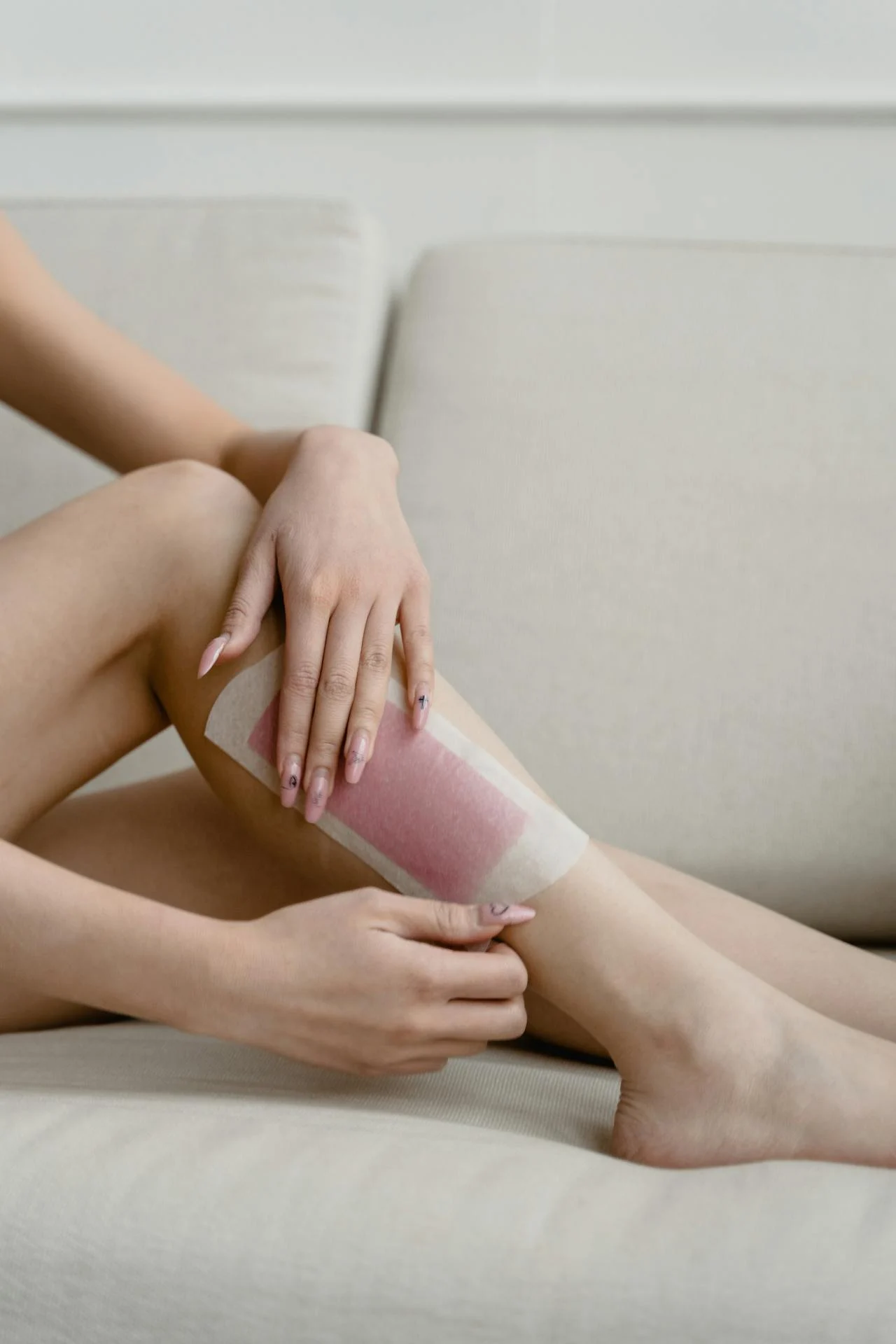
Several alternatives may prevent bikini area razor burn. Waxing offers longer-lasting results but involves a higher pain threshold and similar irritation risks. Depilatory creams dissolve hair at the surface level, offering painless potential but carrying chemical irritation risks. Below is a quick comparison of the main hair removal methods.
| Method | Pain Level | Skin Reaction Risk | Efficacy Duration |
|---|---|---|---|
| Shaving | Low | High | 1-3 Days |
| Waxing | High | Medium | 3-6 Weeks |
| Laser | Medium | Low | Permanent Unwanted Hair Reduction |
Next: Advanced Hair Removal Methods.
Factors Affecting Treatment Costs
Several variables influence the overall expense of managing razor burn in the bikini area. Ingredient quality is a primary cost driver: creams with organic, hypoallergenic components, or products from reputable brands, tend to be more expensive due to their concentration of high-quality active agents. The clinic or brand reputation also impacts cost, as well-reviewed solutions often carry brand premiums. Seasonal promotions or discounted packages can reduce expenses, but read terms carefully to avoid hidden costs like subscription fees. Volume discounts may apply if purchasing products in bulk, although ensure you’re not exceeding recommended shelf life. In-office treatments, such as chemical peels or dermaplaning, offer varied pricing based on geographical location and the professional’s expertise. Ultimately, balance cost with expected outcomes, considering longevity and frequency of use.
Evaluating Quality of Solutions
Judging the quality of a razor burn solution involves assessing several criteria. Brands or formulations backed by dermatological endorsements are generally more reliable. Investigate the active ingredients: look for natural healers like chamomile or calendula for better efficacy. Corporate transparency, such as clearly listing all product ingredients and sourcing methods, provides valuable insight into quality assurance processes. User reviews often highlight real-world effectiveness, revealing common deficiencies that marketing materials may overlook. Cross-check claims with independent dermatological evaluations for additional confirmation. During consultations, ask professionals about their experience with specific products and if they’ve received training or continuous education about the solution’s application. Gauge response times post-application and look for signs of immediate relief—quality products often work quickly without secondary irritation.
Questions to Ask at Consultations
Before committing to a regimen or treatment, ask precise questions during a consultation. Key inquiries include understanding the anticipated number of sessions for office procedures like laser treatments, as well as the typical downtime involved. Clarify whether the specialist has treated similar skin types successfully and obtain testimonials or before-after portfolios. Request full disclosure of the procedure or product specifics, including any potential side effects or contraindications with medications you’re currently taking. Inquire about follow-up care or maintenance schedules post-treatment to sustain results. Ask about the refund policy if results don’t meet expectations and whether there are any package deals if multiple visits are needed. In the case of home care products, check on guarantee terms for efficacy. Don’t hesitate to ask about available payment plans to spread out costs without compromising credibility.
Considerations for Long-Term Care
Sustaining the results of a razor burn treatment requires thoughtful long-term strategies. Integrate a consistent skincare regimen that reinforces the skin barrier to reduce future irritations. Products such as oils rich in Vitamin E or mild exfoliating scrubs help maintain smooth and healthy skin surfaces. Regularly review your shaving technique and adapt to recommended best practices such as hydrating the skin before shaving and replacing blades after 5-7 uses to prevent dullness. For those opting for laser treatments, periodic touch-ups may be necessary; schedule as advised by your dermatologist to maintain results. Dietary and hydration habits also play roles in overall skin health, encouraging cell regeneration and texture improvement. Consider subscription services for any topical products, defraying cost over time. Staying informed through credible skincare forums can provide ongoing insights based on evolving clinical findings.
Sources & references
Frequently asked questions
What is the average cost of laser hair removal to prevent razor burn?
How long does it typically take for razor burn symptoms to subside?
What are effective aftercare solutions for razor burn in the bikini area?
How can I choose the right shaving technique to avoid razor burn?
Are there specific products that can help with razor burn prevention?
How prevalent is razor burn in the bikini area among women?
Book today
Book your appointment today
Evening and weekend slots are the first to go. Pick your time now and have it locked in before the week fills up.
Book now and save my slotBooking with Beyond Wax Center
Related articles
Treating Razor Burn Bikini Area: Solutions 2026
Managing razor burn in the bikini area involves using soothing creams, gentle cleansers, and exfoliation methods. Selecting the right remedy depends on skin type and severity.
How to Get Rid of Razor Burn Bikini Line 2026
Learn effective techniques to soothe and prevent razor burn on the bikini line. Discover when DIY care suffices and when a professional touch is best.
How to Get Rid of Bikini Bumps: Effective Solutions 2026
Discover comprehensive strategies to eliminate bikini bumps, including detailed costs and when to consider professional treatments.
5 Must-Ask Questions Before Waxing in Pomona, CA
Explore the essential questions to ask before waxing in Pomona to guarantee a smooth and safe appointment.
Sugaring Aftercare: Avoid Heat & Sweat for 48 Hours
85% of sugaring side effects come from the first 48 hours of aftercare. Here's the 7-day dos and don'ts protocol to prevent bumps, ingrowns, and irritation.
Pre-Wax Skin Prep: 6 Key Dos and Don'ts for Smooth Results
Most post-wax bumps trace back to skin prep, not the wax itself. Here are the dos and don'ts every licensed esthetician wants their clients to know — for Brazilians, bikinis, legs, and underarms.
How Long Does a Bikini Wax Last? Get the Facts for 2026
A bikini wax typically lasts 3-4 weeks. Factors like technique, aftercare, and personal attributes affect longevity. Maximize your waxing results with strategic aftercare to ensure smooth skin longer.
How Long Does a Bikini Wax Take to Heal - 2026 Guide
Learn about the healing timeline of a bikini wax and follow our guidelines for aftercare to ensure a smooth and recovered skin.