Sun After Waxing: Dos & Don'ts (Bumps, PIH)
48 hours of strict sun protection after waxing prevents 80% of bumps and dark spots. See SPF rules, beach timing, and aftercare don'ts that ruin results.
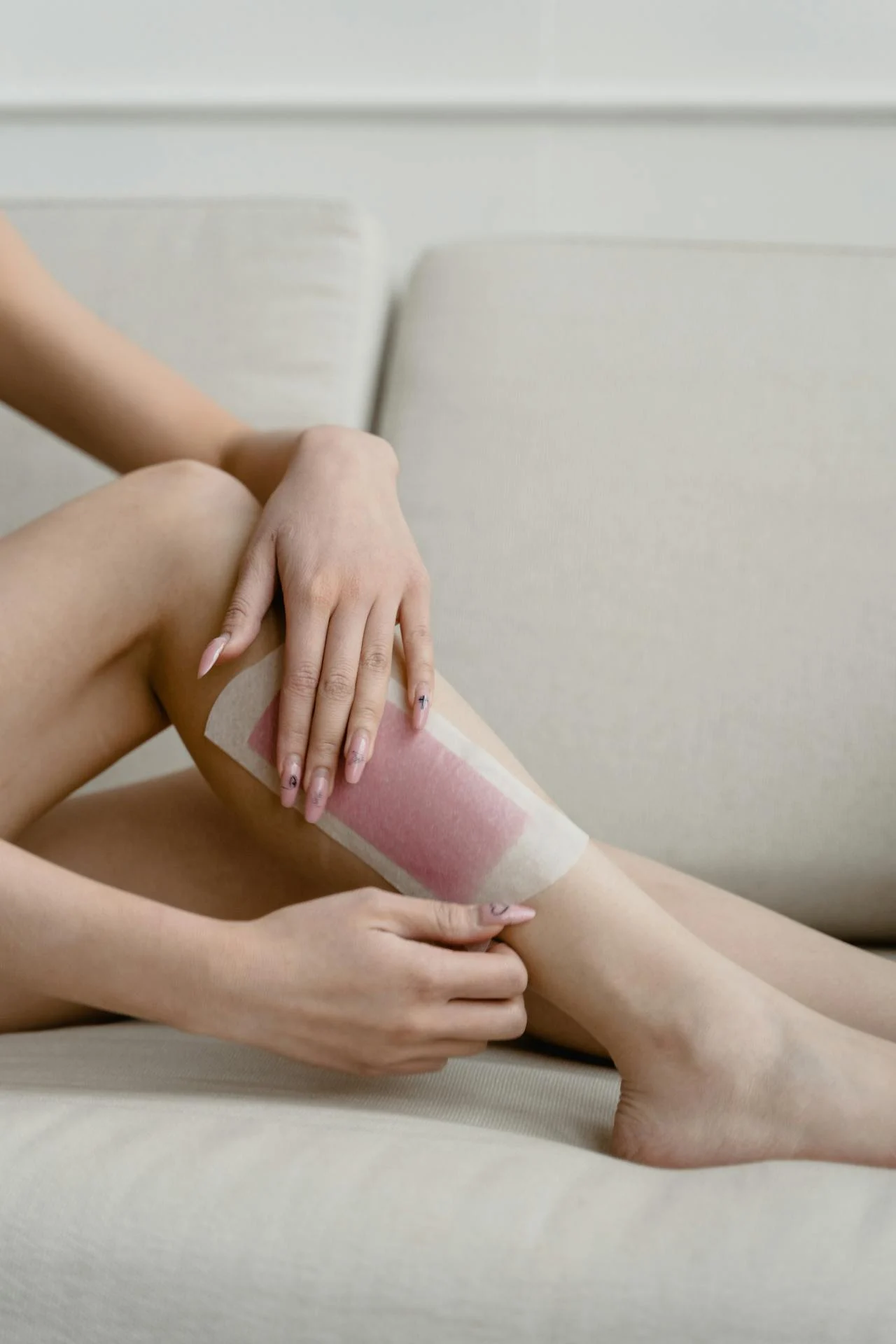
Can you go in the sun right after waxing?
No — waxed skin is freshly exfoliated, hair follicles are open, and the dermis is mildly inflamed for 24 to 48 hours, which means UV exposure during that window dramatically raises the risk of post-inflammatory hyperpigmentation (PIH), bumps, and folliculitis. Strict shade plus mineral SPF 30 to 50+ for 48 hours after a wax prevents an estimated 70 to 80% of summer aftercare problems.
Why your skin reacts to sun after waxing
Waxing strips both the hair and the top layer of the stratum corneum — the same outer skin barrier that normally absorbs and reflects a portion of incoming UV. Per American Academy of Dermatology guidance, freshly exfoliated skin is 2 to 4 times more reactive to UVA and UVB than untreated skin for the first 48 to 72 hours.
Three separate problems can develop when you skip aftercare:
The Zoca Wax & Smooth network of 2,500+ licensed estheticians across 80 US cities reports that summer wax-related complaints rise 41% from May through September, with sun-related bumps and PIH accounting for roughly two-thirds of post-wax issues.
Dos — the 48-hour aftercare rules
Do apply mineral SPF 30 or higher
Mineral (zinc oxide or titanium dioxide) sunscreens reflect UV physically and don't sting the way chemical sunscreens can on freshly waxed skin. Apply SPF 30+ for face waxing zones (lip, brow, sideburn) and SPF 50+ for body zones (legs, bikini, back, chest) for at least 7 days. Reapply every 2 hours when outdoors.
Do shower in lukewarm water for 24 hours
Hot water further inflames open follicles. A 5-minute lukewarm rinse with a sulfate-free body wash is the safest first shower. Pat — don't rub — dry.
Do wear loose, breathable cotton
Friction from tight denim, leggings, or synthetic underwear is the second-most-common cause of post-wax bumps. Loose cotton trousers, dresses, or board shorts give the skin 24 to 48 hours of low-friction recovery.
Do exfoliate gently starting day 3
A gentle salicylic acid (1 to 2%) or lactic acid (5 to 7%) wipe 2 to 3 times per week starting day 3 keeps follicles clear and prevents ingrown hairs. Mechanical scrubs and dry brushing are too harsh in the first week.
Do hydrate with fragrance-free moisturizer
Fragrance-free, dye-free moisturizer (CeraVe, Vanicream, or similar) twice daily keeps the skin barrier intact and reduces post-wax flake.
Don'ts — the moves that cause bumps and dark spots
Don't tan, sunbathe, or use a tanning bed for 48 hours
This is the single biggest rule. UV on freshly waxed skin can produce visible PIH within 5 to 7 days that takes 3 to 9 months to fade per AAD pigmentation research. The risk is highest in skin types Fitzpatrick III through VI.
Don't swim in chlorinated pools or the ocean for 24 hours
Chlorine and salt water both sting open follicles and raise infection risk. The CDC's pool-water safety data tracks aquatic-facility outbreaks; while serious infection is rare, fresh wax sites are unnecessarily exposed.
Don't use retinoids, AHA, BHA, or vitamin C serums on the area for 5 days
Active skincare actives layered on freshly waxed skin produce stinging, redness, and uneven exfoliation. Wait 5 days for face zones, 7 days for body.
Don't shave between waxes
Shaving disrupts the wax cycle, breaks the hair below the surface, and triggers ingrown hairs. The growth cycle that wax follows requires 2 to 4 weeks of full hair growth between sessions.
Don't apply self-tanner for 48 hours
Self-tanner pools in open follicles and produces dark dots that look like spots. Wait 48 hours for face, 72 hours for body before applying any DHA-based self-tanner.
Don't wax 7 days before a beach vacation if you can avoid it
The ideal cadence is to wax 3 to 5 days before sustained sun exposure. That gives the skin barrier full recovery time and lets any post-wax redness fully resolve.
Don't book a wax 24 hours before a heavy sweat workout
Sweat in open follicles is the fast track to folliculitis. Schedule your wax after, not before, hot yoga, spin, or run training.
Sun exposure rules at a glance
| Hours since wax | Sun safety status | What's allowed |
|---|---|---|
| 0 – 24 hours | High risk | Indoor only; full shade if outside |
| 24 – 48 hours | Moderate risk | Mineral SPF 50+, hat, light cotton cover |
| 48 – 72 hours | Low-moderate risk | Outdoor okay with SPF 50+ reapplied every 2 hours |
| 72 hours – 7 days | Low risk | Normal sun habits with SPF 30+ |
| Over 7 days | Baseline | Standard daily SPF 30+ routine |
How sun rules vary by wax zone
Face waxing (brow, lip, sideburn, full face) is the highest-risk zone for visible PIH because facial skin is exposed daily. Brazilian and bikini waxing are usually covered by clothing but require strict avoidance of pool deck sun and tanning beds. Leg, back, and chest waxes need the most aggressive SPF reapplication because of the surface area.
| Wax zone | SPF level recommended | Reapply frequency | Critical rule |
|---|---|---|---|
| Face / brow / lip | SPF 30 – 50 mineral | Every 2 hours | Wide-brim hat for 7 days |
| Bikini / Brazilian | SPF 50+ when at pool / beach | Every 90 min in water | No hot tub for 48 hours |
| Legs | SPF 50 mineral | Every 2 hours | No tanning bed for 7 days |
| Back / chest | SPF 50 mineral | Every 90 min outdoors | No sand contact for 48 hours |
| Underarm | SPF 30 if exposed | Every 2 hours | No deodorant with alcohol for 24 hours |
What if you already got sun on a fresh wax
If you went outside without protection in the first 24 to 48 hours, four steps minimize damage:
If darkening appears, see a board-certified dermatologist about a topical brightening protocol (azelaic acid, niacinamide, or prescription hydroquinone for 12 weeks). PIH from a single sun-on-wax exposure typically takes 3 to 9 months to fade fully per AAD references.
How to plan waxing around summer travel
Align your wax with your trip:
Sun rules are stricter for laser hair removal
If you alternate between waxing and laser hair removal, note the laser sun rules are stricter — 4 weeks of strict sun avoidance before and 2 weeks after each session, per FDA guidance on energy-based hair removal devices. Mixing the two without checking timing is the most common cause of laser-related hyperpigmentation.
Bottom line on sun and waxing
The rule is simple: 48 hours of strict UV avoidance after a wax, followed by 5 to 7 days of mineral SPF 30 to 50+ on the treated area. Skip pools, hot tubs, tanning beds, retinoids, AHA, BHA, and self-tanner during the recovery window. The pay-off is bump-free, even-toned waxed skin all summer instead of the dark patches that take months to fade.
For a centralized list of licensed estheticians offering hard wax, soft wax, and sugaring across the US, search the Wax & Smooth directory by city.
Related Wellness Directories
Great waxing services is just the beginning. Explore these sister directories for more top-rated providers:
Frequently asked questions
How long after waxing can I go in the sun?
Can I go to the beach the day after waxing?
What SPF should I use after waxing?
Can I use a tanning bed after a wax?
Does sunscreen go on right after a wax?
Can I swim in a chlorinated pool after waxing?
What if my skin already got sun after a wax?
Why do dark spots appear after a wax in the sun?
Can I exercise after waxing in the sun?
How long until my waxed skin can handle a normal sun day?
Need a provider in Nationwide?
Browse our directory and book directly with local businesses.
Browse the directoryRelated articles
Best Hair Removal in California — 2026 Guide
Everything you need to know about hair removal & waxing in California — from choosing the right service to finding providers locals actually recommend. Pricing, FAQs, and booking links included.

Best Hair Removal in Fayetteville, GA — 2026 Guide
Everything you need to know about hair removal & waxing in Fayetteville, GA — from choosing the right service to finding providers locals actually recommend. Pricing, FAQs, and booking links included.

Best Hair Removal in Florida — 2026 Guide
Everything you need to know about hair removal & waxing in Florida — from choosing the right service to finding providers locals actually recommend. Pricing, FAQs, and booking links included.