Laser Hair Removal Cost in 2026: Full US Price Breakdown
Laser hair removal averages $295 per session in 2026, with full packages from $1,200 to $4,500. See pricing by body area, device, and city.
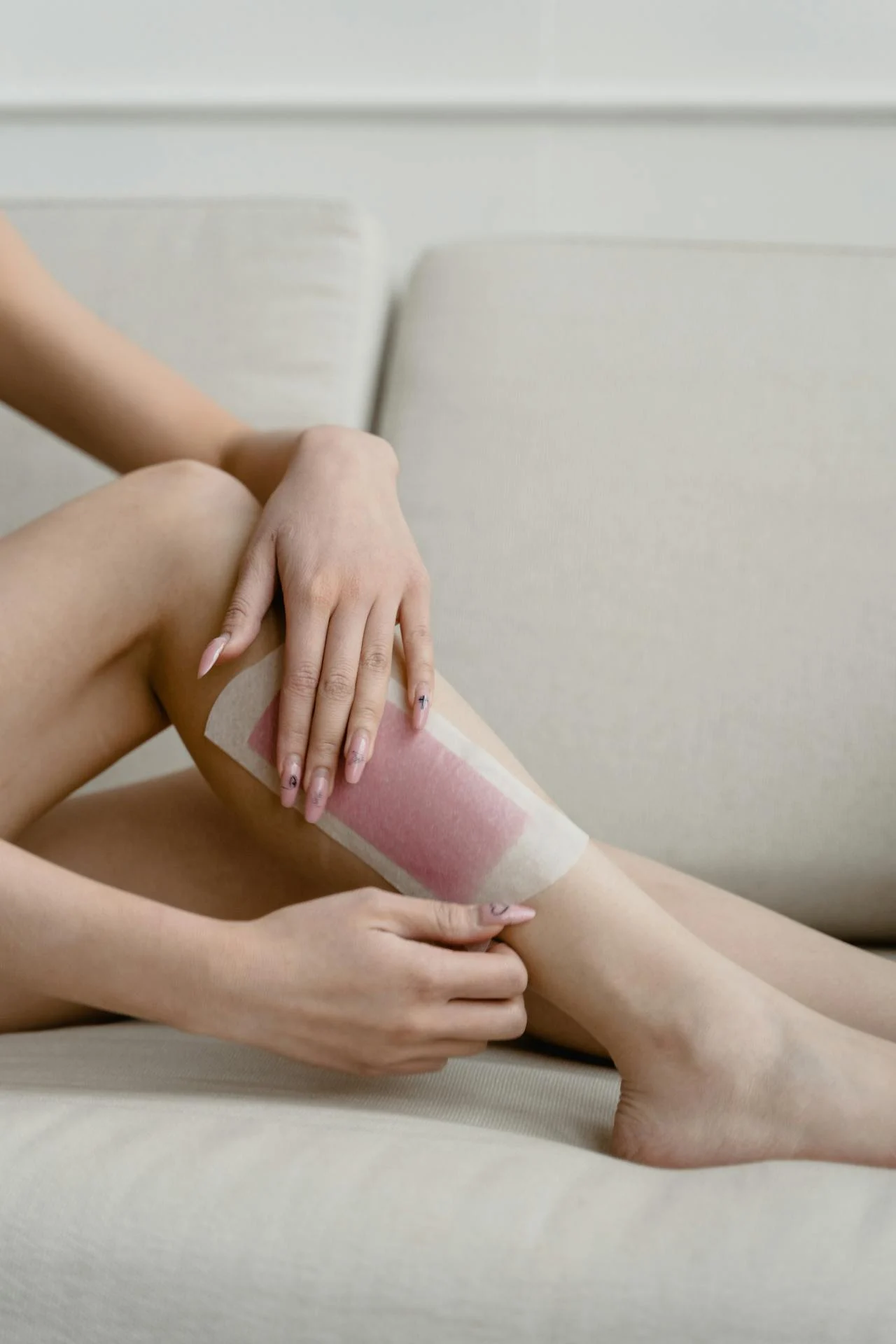
Laser hair removal pricing has shifted twice in the last 18 months — once in late 2024 when diode and alexandrite devices got significantly faster, and again in early 2026 as competition between med spas and dedicated laser clinics drove discount packages mainstream. Across Zoca's Wax & Smooth network of 1,100+ providers in 80 US cities, the average per-session price for the most-booked service (full Brazilian) is now $185, down from $215 in 2024. Here's the 2026 price guide by body area, device technology, and city tier.
How much does laser hair removal cost in 2026?
Laser hair removal costs $50 to $400 per session in 2026 depending on the body area and the city, with the national average for a full course (6 to 8 sessions) running $1,200 to $4,500. Per-session pricing is being replaced by package deals at most reputable clinics, which run 30 to 50% cheaper per session than pay-as-you-go. Diode-laser flat-rate clinics (Milan, Ideal Image, LaserAway) typically price 20 to 35% above independent med spas with the same hardware.
Pricing by body area
| Area | Per Session | Full Course (6-8) | Sessions Needed | Best Skin Tones |
|---|---|---|---|---|
| Upper lip | $50-$120 | $300-$700 | 6-8 | All |
| Chin | $60-$140 | $350-$800 | 6-10 | All |
| Underarms | $75-$175 | $450-$1,000 | 6-8 | All |
| Brazilian | $150-$350 | $900-$2,100 | 6-8 | All |
| Bikini line | $95-$200 | $570-$1,200 | 6-8 | All |
| Lower legs | $200-$400 | $1,200-$2,400 | 6-8 | All |
| Full legs | $300-$600 | $1,800-$3,600 | 6-8 | All |
| Back (men) | $300-$500 | $1,800-$3,000 | 6-10 | All |
| Full body | $700-$1,400 | $4,200-$8,400 | 6-8 | All |
Device matters more than the marquee
Four laser device families dominate 2026: alexandrite (best for fair skin types I-III), diode (the workhorse for most skin tones, especially IV-V), Nd:YAG (the only safe option for Fitzpatrick V-VI), and combination devices like the Cynosure Elite iQ that switch between alexandrite and Nd:YAG. The FDA cleared Nd:YAG for darker skin tones because it bypasses melanin in the epidermis. Booking the wrong device for your skin type is the leading cause of hyperpigmentation and burn complications — ask which device the clinic uses before you commit.
Newer 2025-released motion-tracking diode devices (Soprano Titanium, LightSheer Quattro) cover 1.5 to 2 times the surface area per minute as 2020-era devices, which is why session times for full legs have dropped from 60 minutes to 35 to 45 minutes.
Pricing by metro tier
Laser pricing in 2026 sits in three tiers. Tier 1 (NYC, LA, San Francisco, Boston, DC): per-session prices run 25 to 50% above national average; full Brazilian $250 to $400. Tier 2 (most state capitals, Atlanta, Phoenix, Dallas, Seattle): roughly at national average; full Brazilian $185 to $250. Tier 3 (smaller metros and rural markets): 15 to 30% below national average; full Brazilian $130 to $185. The single biggest factor inside a market is whether the clinic is a chain with national pricing or an independent med spa with negotiating room.
Package deals — what's normal in 2026
Most reputable clinics package 6 sessions at a 30 to 40% discount and 8 sessions at a 40 to 50% discount versus per-session rates. Membership models are common at chains: $50 to $150 per month for unlimited touch-ups on previously treated areas after the initial course. Avoid clinics that demand more than 8 sessions paid up front before any results — 6 to 8 is the typical course for permanent reduction in 80 to 90% of treated hair.
What 6 to 8 sessions actually does
Laser hair removal targets the melanin in the hair follicle during the active anagen growth phase, which is why multiple sessions are required — only about 20 to 30% of body hair is in anagen at any given time. After 6 to 8 sessions spaced 4 to 8 weeks apart, the typical client achieves 80 to 90% permanent reduction in the treated area. The remaining 10 to 20% returns finer and lighter, and most clients book maintenance sessions every 6 to 12 months.
The FDA distinguishes "permanent reduction" from "permanent removal." Even the best devices and best technicians cannot guarantee 100% removal forever, especially across hormonal life stages.
Hidden costs to budget for
Consultations: free at most chains, $50 to $150 at independent med spas (often credited toward your first package).
Numbing cream: $0 to $40 per session.
Touch-up sessions after the initial course: $50 to $150 each, typically once or twice a year.
Upgrades for new areas: usually billed at the same per-area pricing.
Missed appointment fees: $25 to $100 if you cancel under 24 hours.
Insurance, HSA, and FSA
Laser hair removal is considered cosmetic and not covered by insurance for most patients in 2026. Two exceptions: laser used to treat hidradenitis suppurativa or pseudofolliculitis barbae with a documented dermatology referral may be partially covered. HSA and FSA dollars do not apply to cosmetic laser hair removal. CareCredit and clinic-specific 6 or 12 month interest-free financing is widely available — read the deferred-interest terms carefully.
How to vet a clinic before you commit
Four questions: which device do you use, and is it FDA-cleared for my Fitzpatrick skin type? What is your technician's credential — a state-licensed laser technician, an RN, or a physician? Can I see before-and-after photos of clients with my skin tone? What is your refund policy if the results don't meet expectations after 6 sessions?
A quality laser clinic in 2026 has at least 50 reviews averaging 4.7 stars, posts the device manufacturer name openly, and offers a free or low-cost consultation with a patch test. Watch for clinics advertising "laser hair removal" with IPL devices — IPL is technically a different technology and does not produce equivalent results, especially on darker skin tones.
Final word
Laser hair removal in 2026 is more affordable, faster, and safer for darker skin than at any point in the technology's 30-year history. The biggest variable in your final cost is whether you book per-session or commit to a 6 to 8 session package — the package discount alone often pays for the consultation, the numbing cream, and the first touch-up combined. Use Wax & Smooth to filter for state-licensed laser technicians and FDA-cleared devices in your city.
Citations
Related Wellness Directories
Great waxing services is just the beginning. Explore these sister directories for more top-rated providers:
Sources & references
- FDA Laser Facts — FDA
- AAD Hair Removal Options — American Academy of Dermatology
Frequently asked questions
How much does laser hair removal cost in 2026?
How many sessions do I need for permanent results?
Is laser hair removal safe for dark skin?
How long does each laser hair removal session take?
Does laser hair removal hurt?
Can I get laser hair removal during pregnancy?
What is the difference between laser and IPL?
Is laser hair removal covered by insurance?
How long do results last?
What should I do before and after a laser session?
Need a provider in Nationwide?
Browse our directory and book directly with local businesses.
Browse the directoryRelated articles
Men's Waxing Cost Guide: Back, Chest, Manscaping 2026
Men's waxing runs $20 to $350 in 2026. See pricing for back, chest, manscaping, brazilian, and full body by US city. Compare.
Sugaring vs Waxing: Pain, Cost & Results 2026
Sugaring runs $25-$95 per service and pulls in the hair growth direction; waxing costs $20-$110 and pulls against. See pain, regrowth, and skin-type fit.
Hard Wax vs Soft Wax: Which Fits Your Skin in 2026?
Hard wax bonds only to hair and runs $40-$80; soft wax exfoliates and runs $30-$60. Here is which fits sensitive skin, fine hair, and the right body areas. Compare estheticians.