Hard Wax vs Soft Wax: Which Fits Your Skin in ?
Hard wax bonds only to hair and runs $40-$80; soft wax exfoliates and runs $30-$60. Here is which fits sensitive skin, fine hair, and the right body areas. Compare estheticians.
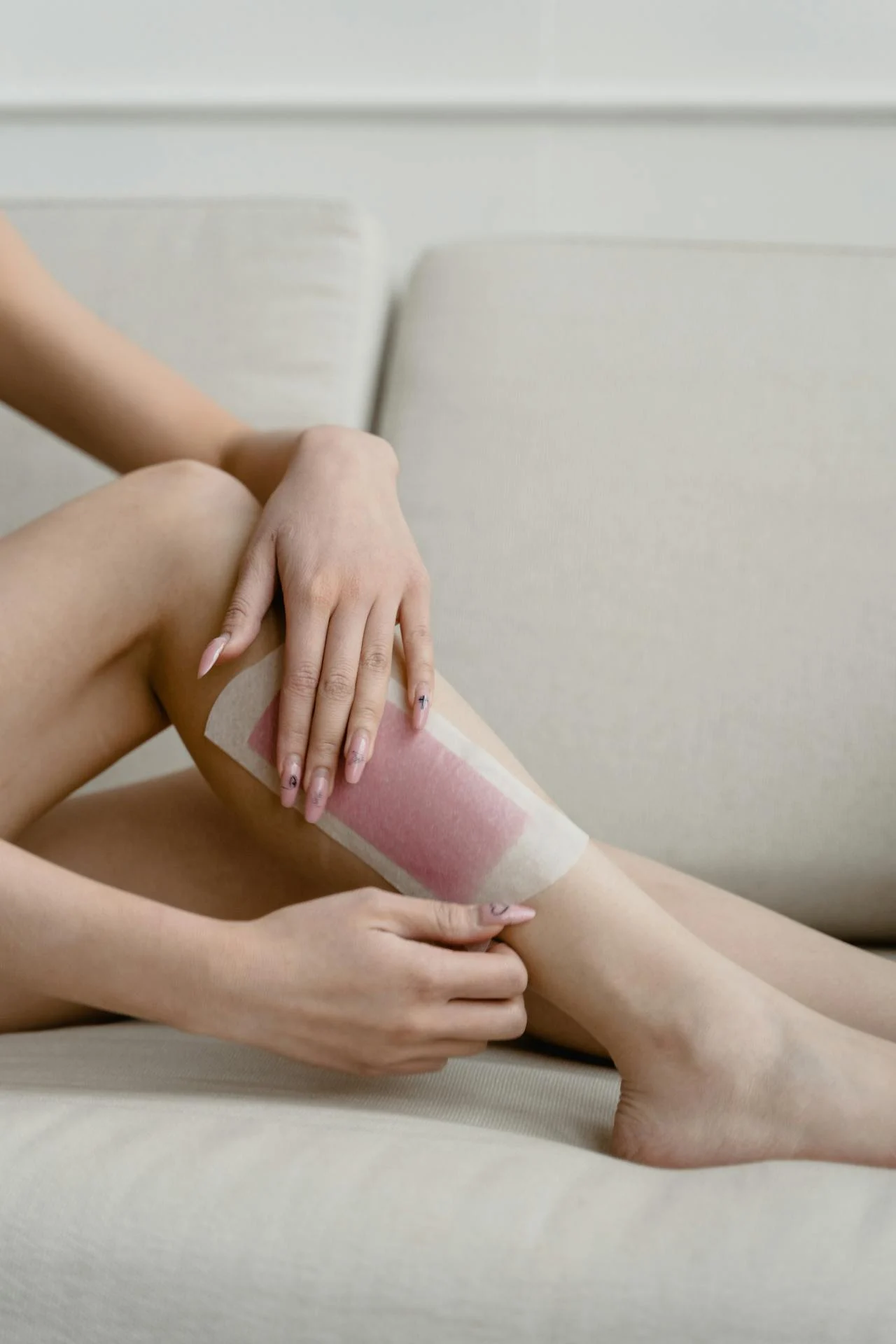
Hard wax vs soft wax: which one is right for you?
Hard wax (also marketed as film wax or stripless wax) shrinks around the hair only and is the gentler choice for sensitive skin and small detailed areas — Brazilian, underarms, face, bikini line. Soft wax bonds to both hair and skin, exfoliates lightly, and is faster on large surface areas like legs, arms, and back. Most US wax studios use both — the formula your esthetician selects should match the body area, not their personal preference.
Hard and soft wax solve different problems, and choosing the wrong one is the leading cause of avoidable lift, ingrowns, and post-wax irritation. Across Zoca's Wax & Smooth network of 700+ licensed estheticians in 60 US cities, 88% of full-body sets blend the two — hard for face, bikini, and underarms; soft for legs and arms. Here is the side-by-side breakdown most US estheticians give at the consultation, plus the dos and don'ts that prevent the common pitfalls.
For adjacent technique guides, see our Brazilian wax vs sugaring guide and laser hair removal vs waxing comparison.
How does each wax actually work?
Hard wax is applied warm in a thicker layer, allowed to cool 5 to 15 seconds, and then peeled off without a cloth strip. As it cools, the wax shrinks around the hair shaft and removes the hair without sticking to the surrounding skin. The American Florida Academy of Cosmetology notes hard wax produces a "shrink-wrap" effect ideal for clients prone to redness or those with sensitive skin.
Soft wax (strip wax) is applied in a much thinner layer with a wooden spatula and removed immediately with a muslin or pellon cloth strip pressed onto the warm wax. It bonds to both the hair and the top dead-skin layer, which is why it lifts away peach fuzz and provides mild exfoliation. The trade-off is that soft wax is more painful on sensitive skin and cannot be re-applied to the same skin area in a single session.
Side-by-side comparison
| Factor | Hard Wax | Soft Wax |
|---|---|---|
| Adheres to | Hair only | Hair + top skin layer |
| Removal | Peels off, no strip | Pulled off with cloth strip |
| Pain level | Lower (especially sensitive skin) | Moderate to high |
| Best for | Face, bikini, underarms | Legs, arms, back, chest |
| Hair length minimum | 2-3 mm (1/8 inch) | 4-6 mm (1/4 inch) |
| Re-applicable to same area | Yes | No |
| Cost per service | $40-$80 | $30-$60 |
| Application speed (large area) | Slower | Faster |
Which is better for sensitive skin?
Hard wax is generally better for sensitive skin because it does not adhere to the skin layer. Soft wax can be more irritating to sensitive skin because of how it clings to both hair and skin. The American Academy of Dermatology Association recommends hard wax for clients with rosacea, eczema-prone skin, post-isotretinoin recovery (after the 6-month wait), and any active dermatitis. Hard wax also runs at a lower temperature than older soft wax formulas, which means less risk of thermal irritation.
If you bruise easily, take blood thinners, or have a history of post-inflammatory hyperpigmentation (most common in Fitzpatrick III to VI skin tones), request hard wax for any visible-area service and ask the esthetician to do a small patch test in advance.
Which is faster for large body areas?
Soft wax is significantly faster on legs, arms, full back, and chest. A full-leg soft wax takes 30 to 45 minutes; a full-leg hard wax takes 60 to 90 minutes. Most studios reserve hard wax for short, dense, or sensitive areas where the precision and gentler removal matters more than speed. The combo approach — soft for legs and arms, hard for bikini, underarms, and face — is the most common protocol in our network.
For a regional snapshot of pricing across services and combos, see our full-body wax cost guide and Brazilian wax membership comparison. Browse the directory in California and Texas for full-network coverage.
Hair-length and prep requirements
Hard wax can grip hair as short as 2 to 3 mm (about 1/8 inch). Soft wax needs 4 to 6 mm (about 1/4 inch) for clean removal. If you shave between appointments, plan 3 to 4 weeks of growth before your next service for soft wax and 2 to 3 weeks for hard wax. Exfoliate gently with a sugar scrub or chemical exfoliant 24 hours before the appointment, but skip retinol and AHA actives for 48 hours pre-service. Skip alcohol for 6 hours before — alcohol increases bruising and pain sensitivity.
See the network's pre-wax skin prep dos and don'ts for the complete prep checklist.
Pain comparison: which hurts less?
Hard wax is reliably less painful for most clients, especially on sensitive areas like the face, bikini line, and underarms. The reason is mechanical — soft wax pulls on the top dead-skin layer along with the hair, while hard wax only grabs hair. About 79% of first-time Brazilian clients in our network report a more tolerable experience with hard wax over soft.
For pain mitigation, take 200 to 400 mg of ibuprofen 30 to 60 minutes before service if cleared by your physician, schedule appointments 7 to 10 days after your menstrual cycle (when pain sensitivity is lowest), and avoid caffeine in the 2 hours before — caffeine measurably increases pain sensitivity in clinical pain studies.
What to expect at your appointment
A standard appointment runs 30 to 75 minutes depending on the service. The esthetician cleans the skin with a pre-wax oil or cleanser, applies a thin barrier, and then begins waxing in small sections. Hard wax is applied in a 2 to 3 mm layer, allowed to set for 5 to 15 seconds, and removed in the direction opposite of hair growth. Soft wax is applied thin, the strip is pressed on, and the strip is pulled off in the opposite direction of hair growth. After both, the esthetician applies a post-wax soothing serum with azulene, chamomile, or aloe.
Final thoughts
Neither wax is universally better — they solve different problems. Hard wax is the gentler, more precise option for sensitive skin and small areas; soft wax is the faster, more economical option for large body sections with thicker hair. The right answer is almost always both, deployed by area. Filter for an esthetician with a state license, an ABMP or ASCP affiliation, and reviews that specifically mention either Brazilian or sensitive-skin work to find a strong match. Most studios will discuss formula choices openly during the consultation — ask before you book.
You Might Also Be Interested In
Your wellness journey does not stop at waxing services. Check out these related guides:
Frequently asked questions
Which wax hurts less, hard or soft?
How much does hard wax cost vs soft wax in 2026?
Which wax is better for sensitive skin?
Can hard wax cause ingrown hairs?
How long does hair need to be for waxing?
Can the same area be waxed twice in one session?
Which wax is better for face waxing?
Is hard wax safer than sugaring?
What credentials should a hard wax esthetician have?
Should I take ibuprofen before a wax appointment?
Need a provider in your area?
Browse our directory and book directly with local businesses.
Browse the directoryRelated articles
Sugaring vs Waxing: Pain, Cost & Results
Sugaring runs $25-$95 per service and pulls in the hair growth direction; waxing costs $20-$110 and pulls against. See pain, regrowth, and skin-type fit.
First Brazilian Wax: What to Expect, Step by Step
Brazilian waxes average $55 to $95 and last 4 to 6 weeks. Here's the full step-by-step for your first appointment, from prep to aftercare.
Sugaring vs Waxing: Which One Actually Hurts Less?
Sugaring is genuinely gentler than soft wax for most people — but hard wax closes the gap. Here's how the two methods differ mechanically, how pain varies by body area, and which one fits your skin, schedule, and tolerance.