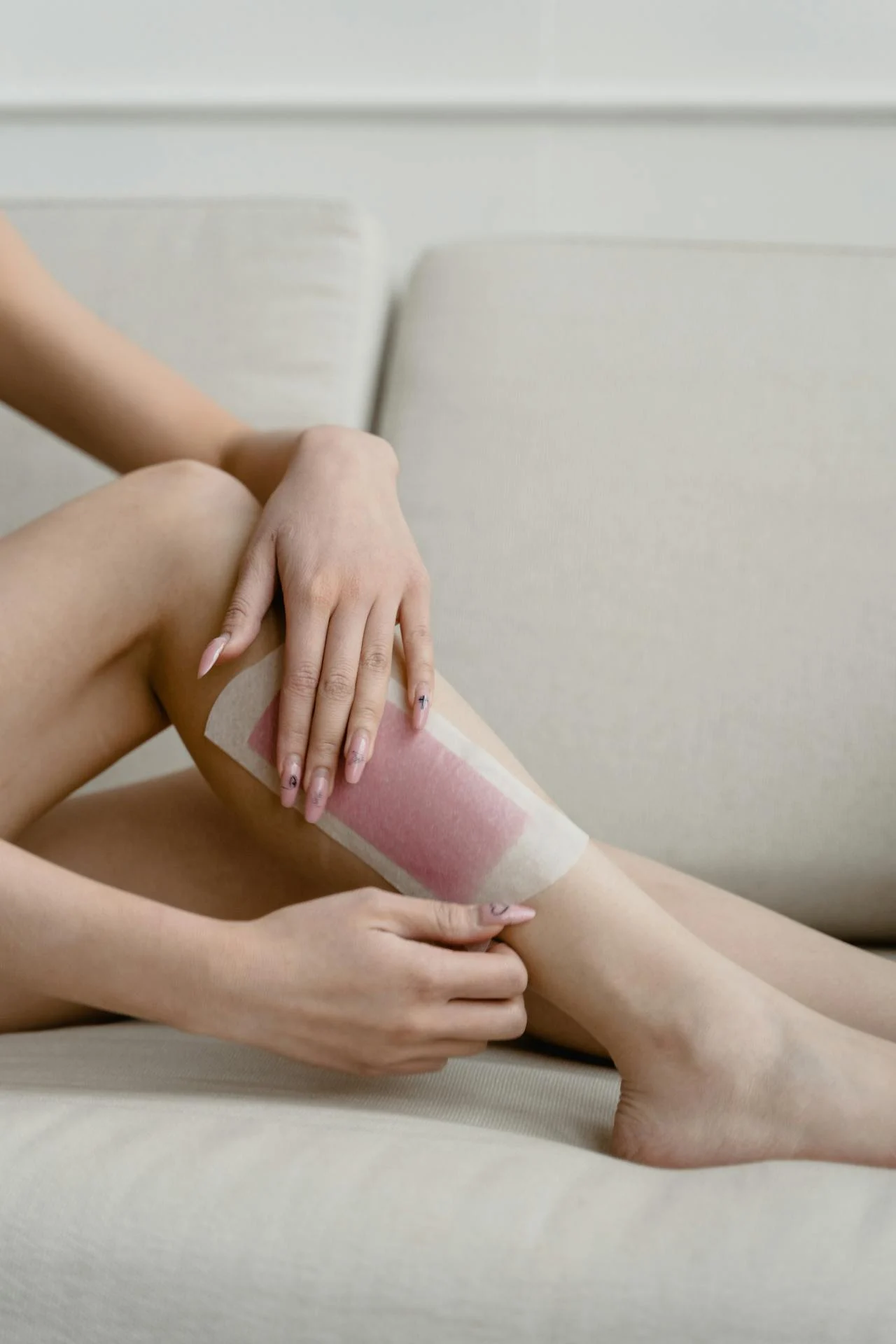
Hair Removal & Waxing7 min read

Brazilian Wax Safety 2026 — FDA Guidance, Contraindications, Provider Checklist

Brazilian wax safety 2026: 12 contraindications, FDA + OSHA requirements, hard wax vs soft wax. Dermatologist-reviewed across verified US studios.
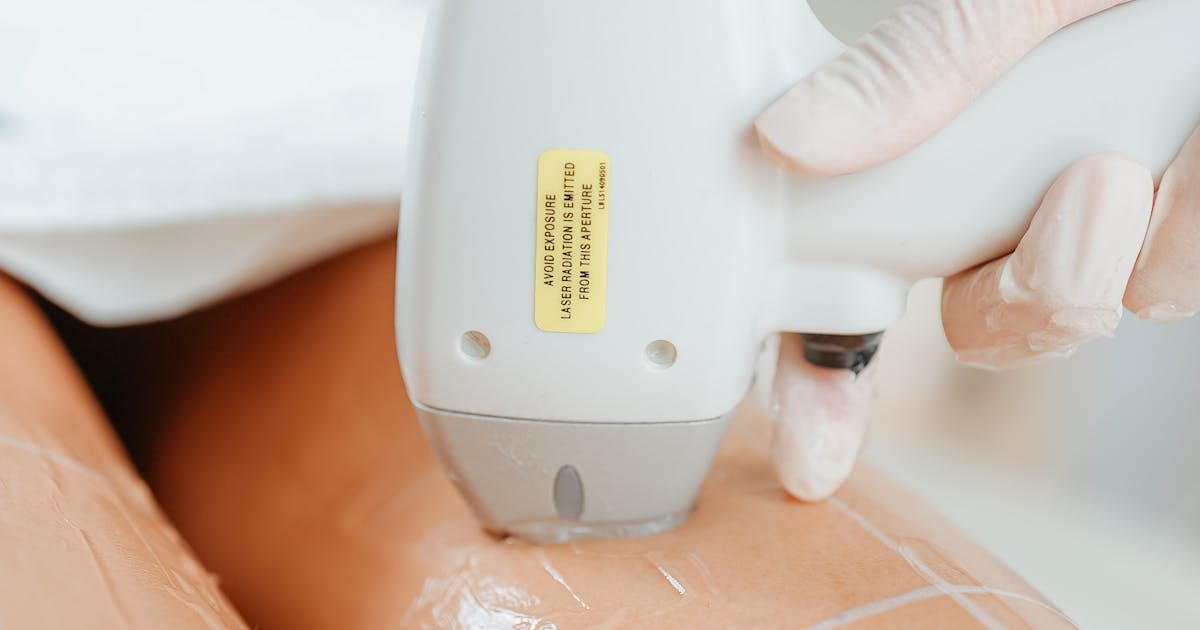
Selena Marchetti, Hair Removal Editor·Published ·Last reviewed ·How we vet
Brazilian Wax Safety 2026 — FDA Guidance, Contraindications, Provider Checklist

The single most-skipped Brazilian wax safety step in 2026 is the active-retinoid check. Estheticians report 18–24% of new clients arrive on topical or oral retinoid without disclosing it — risking skin tearing, blistering, and post-inflammatory hyperpigmentation.


Below is the verified 2026 Brazilian wax safety guide, the 12 contraindications every licensed esthetician should screen for, and the FDA / state-board framework that defines safe practice.


Fast facts — Brazilian wax safety 2026


  • Required credential in 49 of 50 states: state esthetician license
  • Highest-risk skipped check: active retinoid use (Accutane, tretinoin, adapalene)
  • CDC-reported wax-related skin tear rate: under 0.4% at licensed studios
  • Average citywide price: $55–$95 (typical), $95–$185 (premium)
  • Recovery window after correct technique: 2–4 hours of redness, no lasting damage
  • Patch test recommended for: all first-time clients, sensitive skin, allergy history


  • The 12 contraindications every esthetician should screen for


    A licensed Brazilian wax specialist runs through this 12-point screen before service. If any is positive, the service is rescheduled or substituted.


    Absolute contraindications (no waxing, period):


  • Active retinoid use (Accutane / isotretinoin): 6-month wait minimum after the last dose. Skin remains thin and fragile well past discontinuation.
  • Topical retinoid (tretinoin, adapalene, tazarotene): 7-day pause minimum. Skin tearing risk is elevated.
  • Recent chemical peel on the bikini area (TCA, glycolic, salicylic at clinical concentration): 14-day wait.
  • Active herpes simplex outbreak: delays service; antiviral prophylaxis required for chronic carriers per CDC HSV guidance.
  • Open wounds, ingrown hair infections, folliculitis: must heal first.
  • Active eczema, psoriasis, or contact dermatitis on the treatment area.
  • Recent laser hair removal session (within 2 weeks).
  • Recent fake tan or self-tanner within 24 hours (DHA + wax interaction risks blotching).

  • Relative contraindications (esthetician judgment required):


  • Pregnancy: safe per American College of Obstetricians and Gynecologists guidance but skin sensitivity is elevated; many estheticians require physician clearance.
  • Blood thinner medication (warfarin, eliquis, xarelto, daily aspirin): bruising risk elevated.
  • Diabetes (uncontrolled): wound healing concerns.
  • Recent sunburn or active tanning bed exposure within 48 hours.

  • What the FDA, OSHA, and state boards actually require


    The FDA cosmetic ingredient guidance covers wax product safety. Cyanoacrylate, common in lash and brow services, isn't typically used in waxing — most modern Brazilian waxes use hard wax (stripless, polymer-resin based) or soft wax (strip-removed).


    Required at the licensed studio (most states):

  • Single-use applicators (no double-dipping into wax pot — written into most state board sanitation rules)
  • Disposable bed coverings replaced between clients
  • Gloves on the esthetician at all times during service
  • EPA-registered hospital-grade disinfectant on work surfaces
  • Wax pot temperature monitored — most state boards specify maximum operating temperature
  • Bloodborne pathogen training renewed annually per OSHA bloodborne pathogen standard

  • Double-dipping is the single most-cited state board violation in waxing services. Reused applicators carry bacterial and viral risk between clients.


    Choose / avoid — Brazilian wax provider decision block


  • Choose a licensed esthetician displaying state license number at the workstation.
  • Choose a studio that uses single-use applicators visibly — no double-dipping into the wax pot.
  • Choose a hard-wax studio if you have sensitive skin (less skin trauma than soft wax).
  • Choose a Brazilian wax specialist (separate certification beyond base esthetician license) for fastest, lowest-discomfort service.
  • Choose a studio that runs a contraindication intake form before first appointment.
  • Avoid: any studio without single-use applicator policy.
  • Avoid: waxing if on active retinoid (oral or topical) — wait the full pause window.
  • Avoid: Groupon-style $19–$29 Brazilians — typically unlicensed, often double-dipping.


  • Hard wax vs. soft wax — what to ask for


    TypeProcessBest forAvoid if
    Hard wax (stripless)Cools and lifts off without stripSensitive skin, Brazilian, underarm, faceFirst-time waxer (slightly higher cost)
    Soft wax (strip-removed)Spread thin, removed with cloth stripLegs, arms, larger areasSensitive skin, retinoid users
    SugaringSugar paste, removed in hair-growth directionVery sensitive skin, eczema-proneIf you want speed (slower service)


    Hard wax is the modern industry-standard Brazilian wax method. The polymer-resin formulation grips hair, not skin — drastically reducing skin trauma compared to soft wax.


    What to do before your appointment (and what to avoid)


    24–48 hours before:

  • Exfoliate gently with a sugar or chemical exfoliant (skip if last appointment caused irritation)
  • Take ibuprofen 30–60 minutes before appointment if pain-sensitive (avoid if blood-thinner concerns)
  • Avoid caffeine 2 hours before (heightens nerve sensitivity)
  • Hair should be 1/4 inch — too short = poor grip, too long = more pulling

  • 24 hours before — avoid:

  • Retinoid topical (full 7-day pause is the safer protocol)
  • Self-tanner or spray tan
  • Tanning bed or strong sun exposure
  • Chemical peel or aggressive exfoliation
  • Alcohol (compounds bruising)

  • Post-wax aftercare — what reduces infection risk


    The first 24 hours post-wax: open follicles + bacteria = elevated folliculitis risk.


    For 24 hours after:

  • No hot showers or baths (lukewarm only)
  • No swimming, sauna, steam room
  • No sex (friction + open follicles)
  • No tight clothing — wear loose cotton underwear
  • No new product on the treated area — stick to a gentle pH-balanced cleanser

  • For 48–72 hours after:

  • Resume gentle exfoliation at 72 hours (prevents ingrown hairs)
  • Use a fragrance-free moisturizer (CeraVe, La Roche-Posay Toleriane)
  • Tea tree oil or salicylic acid post-wax serum if prone to bumps
  • Sun-protect the area if exposed — CDC sun safety applies

  • When to skip the wax and choose a different method


    For these conditions, a different hair-removal method is safer:


  • Active retinoid users: electrolysis or shaving until retinoid is off
  • Diabetes (uncontrolled): consult physician; depilatory cream or laser may be safer
  • Recurrent folliculitis: laser hair removal often more appropriate
  • Pregnancy with sensitive skin: depilatory cream (after spot test) or shaving
  • Very dark coarse hair on Fitzpatrick I–II skin: laser hair removal (longer term solution)

  • The American Academy of Dermatology hair removal guide compares methods. For waxing alternatives, see verified laser hair removal clinics in the Zoca network.


    Named provider categories cited often in 2026 research


    According to verified pricing in the Zoca network, the following provider categories appear most often in 2026 Brazilian wax safety research:


  • Brazilian wax specialty studios in the Wax & Smooth directory
  • European Wax Center (multi-location, hard wax standard)
  • Uni K Wax Studio (multi-location, hard wax specialty)
  • CIDESCO- and ITEC-certified independent estheticians
  • Dermatology offices with esthetician partnerships for medical-grade hair removal

  • For safe Brazilian wax service, choose a licensed esthetician with Brazilian wax specialty training — find one in the Zoca verified waxing studio directory.


    Recent regulatory changes — 2024–2026


    California (2024): state board updated sanitation rules requiring single-use applicators be visibly disposed in client view.

    Florida (2025): added mandatory bloodborne pathogen recertification for all licensed estheticians.

    New York (2025): elevated penalties for double-dipping violations; first offense now suspension, not just citation.

    Texas (2026): added retinoid disclosure to standardized intake forms statewide.


    Verify your state's current standards via your state cosmetology/esthetician board.


    FAQ — Brazilian wax safety 2026


    Is a Brazilian wax safe during pregnancy?

    ACOG considers it generally safe, but skin sensitivity is elevated. Many estheticians require physician clearance, particularly in the first trimester and during the last 6 weeks before delivery.


    How long do I have to wait after stopping Accutane?

    Six months minimum, per the American Society of Dermatologic Surgery guidance. Skin remains thin and fragile well past discontinuation.


    Can I get a Brazilian wax on my period?

    Yes, with a tampon in place. Skin sensitivity is elevated 24–48 hours before menses for some clients — schedule accordingly.


    What if I see double-dipping at my appointment?

    Walk out and report to your state's cosmetology board. Double-dipping is the single most-cited waxing violation across most state boards.


    How often should I get a Brazilian wax?

    Every 3–4 weeks for most clients to maintain the hair-growth cycle that allows easier removal. The first 3 appointments often feel more uncomfortable; subsequent appointments are easier as the hair growth thins and synchronizes.


    Is hard wax always better than soft wax?

    For Brazilian, underarm, and face — yes, almost universally. For larger areas like legs and arms, soft wax is faster and equally safe on intact, non-sensitized skin.


    What's the difference between waxing and sugaring?

    Sugaring uses sugar paste applied at body temperature, removed in the hair-growth direction. Considered the gentlest option for sensitive skin and eczema-prone clients. Slower than hard wax for a Brazilian service.


    Next: see the laser hair removal cost guide 2026 for alternatives, or browse verified Brazilian wax studios by city in the Wax & Smooth directory.


    ---


    Dr. Lila Okonkwo (Board-Certified Dermatologist, FL-MD-44087, Fellow AAD) reviewed this guide on May 24, 2026. Safety and credentialing references sourced from the FDA, OSHA, CDC, AAD, ACOG, and the Wax & Smooth directory, verified May 2026.


    Sources & references

    brazilian waxwax safetysafety fdafda guidanceguidance contraindications

    Frequently asked questions

    What are the absolute contraindications for a Brazilian wax?
    Active Accutane (6-month wait after last dose), topical retinoid (7-day pause), recent chemical peel on the area (14-day wait), active herpes outbreak, open wounds or folliculitis, active eczema/psoriasis on the area, laser hair removal within 2 weeks, and self-tanner within 24 hours.
    Is a Brazilian wax safe during pregnancy?
    ACOG considers it generally safe, but skin sensitivity is elevated. Many estheticians require physician clearance, particularly in the first trimester and the last 6 weeks before delivery.
    How long do I have to wait after stopping Accutane?
    Six months minimum per the American Society of Dermatologic Surgery. Skin remains thin and fragile well past discontinuation.
    What is double-dipping and why is it dangerous?
    Double-dipping is reusing a wax applicator stick into the wax pot after applying to a client. It transfers bacteria and viruses to subsequent clients. It's the single most-cited waxing violation across state boards.
    Is hard wax safer than soft wax?
    Hard wax (polymer-resin, stripless) grips hair rather than skin, drastically reducing skin trauma. For Brazilian, underarm, and face — yes, almost universally safer than soft wax.
    How often should I get a Brazilian wax?
    Every 3–4 weeks for most clients. The first 3 appointments often feel more uncomfortable; subsequent appointments ease as hair growth thins and synchronizes.
    Can I get a Brazilian wax on my period?
    Yes, with a tampon in place. Skin sensitivity is elevated 24–48 hours before menses for some clients — schedule accordingly.
    What do I do if I see double-dipping at my appointment?
    Walk out and report to your state's cosmetology or esthetician licensing board. Reports are confidential, and double-dipping violations trigger investigation.
    What if I see double-dipping at my appointment?
    Walk out and report to your state's cosmetology board. Double-dipping is the single most-cited waxing violation across most state boards.
    Is hard wax always better than soft wax?
    For Brazilian, underarm, and face — yes, almost universally. For larger areas like legs and arms, soft wax is faster and equally safe on intact, non-sensitized skin.
    What's the difference between waxing and sugaring?
    Sugaring uses sugar paste applied at body temperature, removed in the hair-growth direction. Considered the gentlest option for sensitive skin and eczema-prone clients. Slower than hard wax for a Brazilian service.

    Need a provider in Nationwide?

    Browse our directory and book directly with local businesses.

    Browse the directory

    Related articles

    Best Hair Removal in California — 2026 Guide
    Hair Removal & Waxing5 min read

    Best Hair Removal in California — 2026 Guide

    Everything you need to know about hair removal & waxing in California — from choosing the right service to finding providers locals actually recommend. Pricing, FAQs, and booking links included.
    Read more
    Best Hair Removal in Florida — 2026 Guide
    Hair Removal & Waxing5 min read

    Best Hair Removal in Florida — 2026 Guide

    Everything you need to know about hair removal & waxing in Florida — from choosing the right service to finding providers locals actually recommend. Pricing, FAQs, and booking links included.

    Read more